

Case study
Embedding an integrative delivery framework in a scaling engineering team
Building a shared technical approach for complex product delivery
Engagement summary
The challenge
Growing product development consultancy delivering multiple client products, with technical coherence dependent on a small number of key individuals.
Our approach
Embedded technical leadership to establish a lightweight, repeatable way of defining, aligning, and delivering work across concurrent client projects.
Outcomes
Improved cross-discipline alignment, earlier integration visibility, reduced reliance on “project gurus”, and more predictable delivery across engagements.
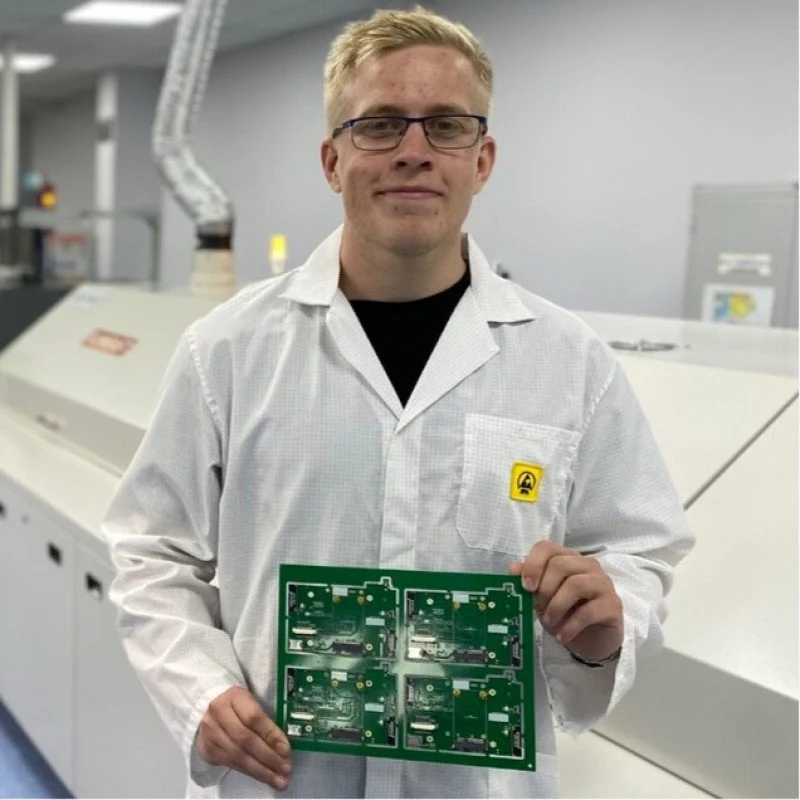
“Navitect helped us establish a practical, integrative systems engineering foundation that transformed how we work across hardware, firmware, and software. It enabled us to scale in size and ambition while maintaining coherence and control across our projects.”
Scott Williams, Head of Engineering, Xentronics
The challenge: fragmented delivery and late surprises
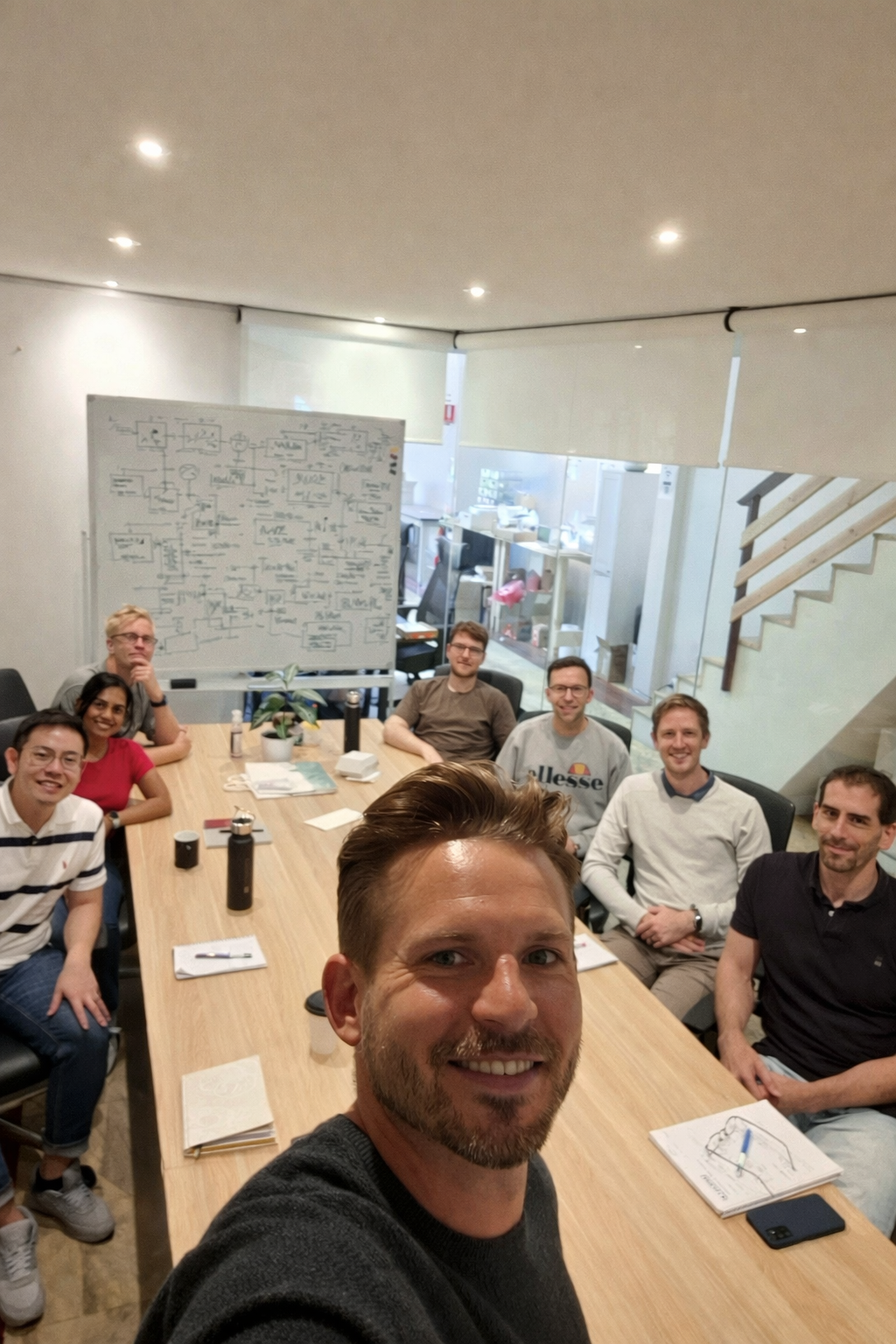
The engagement focused on a growing product engineering organisation with a team of ten highly capable engineers spanning hardware, firmware, and software, delivering multiple complex products in parallel across different stages of the lifecycle.
As the organisation grew, several systemic issues became visible.
Teams lacked a shared technical picture of the products and their requirements. Projects were often initiated without clear scope or well-defined requirements, creating ambiguity for both engineers and clients. Integration and verification issues were frequently discovered late, increasing rework and delivery risk.
Knowledge and technical decision-making were concentrated in a small number of individuals, limiting scalability and making outcomes heavily dependent on personal experience rather than shared understanding.
While some processes existed, they were ad hoc and inconsistently applied. There was no lightweight structure to capture and communicate technical intent in a way the whole team could use across different projects and disciplines.

Our approach: a coherent and lightweight systems-based engineering process
Embedded across both organisational and project contexts, Navitect introduced a tailored approach designed specifically for a small, multidisciplinary product development organisation.
Lightweight framework definition
Defined a pragmatic, right-sized interpretation of ISO 15288 that could be applied consistently across different client projects, without introducing unnecessary governance or overhead.
Clear lifecycle structure
Established a shared view of core technical activities — requirements, architecture, integration, verification, and validation — providing a common delivery backbone across engagements.
Practical artefacts and review structure
Introduced a small, consistent set of artefacts and design review criteria to make technical intent explicit and comparable across projects.
Hands-on application across live projects
Applied the approach directly on multiple active client programmes, using real delivery outcomes to refine and normalise how it was used.
Capability building through technical ‘storytelling’
Helped engineers articulate a coherent technical structure for each product, ensuring requirements, design decisions, interfaces, and verification activities formed a connected whole.
Continuous engagement and refinement
Embedded the approach through workshops, day-to-day guidance, and templates, evolving it based on delivery experience rather than rigid enforcement.
Outcome: predictable delivery through shared clarity
Introducing a shared technical backbone improved delivery without constraining flexibility.
Alignment across engineering disciplines and all project stakeholders
Clearer scope and requirements definition at project start
Integration and verification issues identified early
No dependency on individual “project gurus”
More predictable delivery and improved quality across client engagements
The approach was adopted as a reference way of working and became a visible differentiator, enabling the team to deliver efficiently and take on more complex projects.

This engagement illustrates how Navitect helps organisations develop complex products by tailoring structure and technical practices to context, rather than imposing generic process. The result is shared understanding, earlier risk visibility, and clearer decision-making as complexity and scale increase.